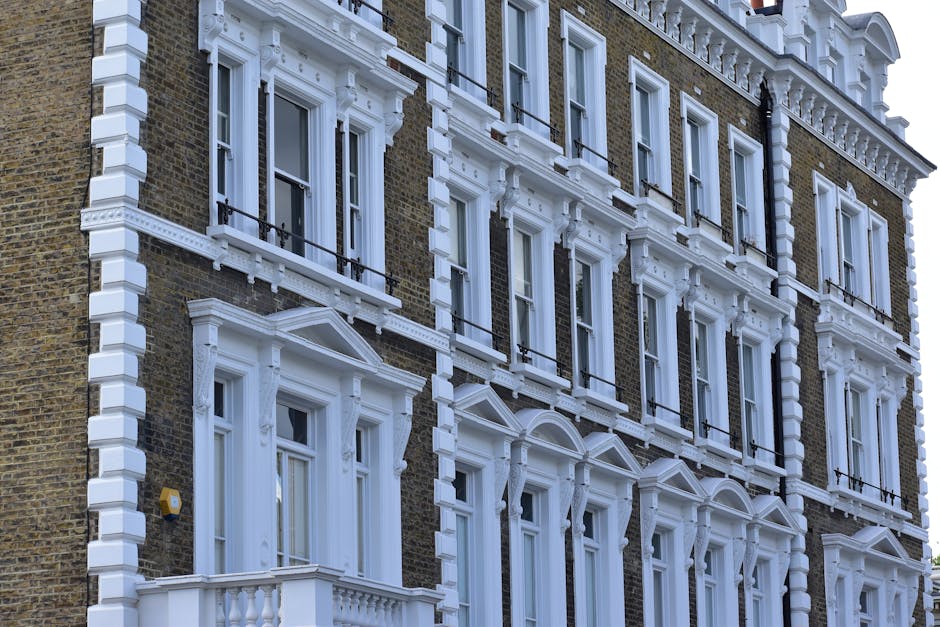
End of tenancy cleaning near Clapham High Street: a practical guide for tenants, landlords, and letting agents
If you are moving out and want the place to look properly reset, end of tenancy cleaning near Clapham High Street is the sort of job that can save a lot of stress later. It is not just a quick tidy. It is a detailed, room-by-room clean designed to help a property present well at checkout, reduce avoidable disputes, and leave the next person with a fresh start.
Clapham High Street has its own rhythm: busy flats above shops, period conversions, newer builds, compact kitchens, and the occasional awkward bit of dust that seems to live behind radiators forever. So a standard domestic clean is often not enough. In this guide, we will walk through what end of tenancy cleaning actually involves, why it matters, how the process works, and what to check before you hand back the keys. A few small details make a big difference, honestly.
Table of Contents
- Why end of tenancy cleaning near Clapham High Street matters
- How end of tenancy cleaning near Clapham High Street works
- Key benefits and practical advantages
- Who this is for and when it makes sense
- Step-by-step guidance
- Expert tips for better results
- Common mistakes to avoid
- Tools, resources and recommendations
- Law, compliance, standards and best practice
- Options, methods and comparison table
- Case study or real-world example
- Practical checklist
- Conclusion
- Frequently asked questions
Why End of tenancy cleaning near Clapham High Street Matters
When you move out, the property usually has to be left in a condition that matches the tenancy agreement and the original level of cleanliness, allowing for fair wear and tear. That sounds straightforward, but in real life it can get messy. Oven grease, carpet marks, bathroom limescale, and forgotten cupboard crumbs often become the little things that cause the big headaches.
Near Clapham High Street, there is often pressure to move quickly. Lettings in this part of London can turn over fast, and many landlords or agents expect a smooth handover. A proper move-out clean helps reduce the chances of last-minute complaints and awkward messages after checkout. It also makes the place look cared for, which matters if there are viewings, snagging issues, or inventory photos involved.
Truth be told, a clean property also helps you. Packing, redirecting post, arranging removals, and dealing with deposits is already enough for one week. Having the cleaning handled properly means one less thing to revisit after you have left. If you want a broader sense of the service framework, you can also review end of tenancy cleaning service information and the company's pricing and quotes guidance before you book.
Expert summary: the best end of tenancy clean is not the one that looks shiny for five minutes. It is the one that still passes a sensible inspection after the lights are on, the blinds are lifted, and someone starts opening cupboards. That is the real test.
How End of tenancy cleaning near Clapham High Street Works
A proper end of tenancy clean follows a top-to-bottom, left-to-right routine rather than a random once-over. The point is to remove built-up dirt, tackle overlooked areas, and leave the whole property looking consistently clean. In practice, that means kitchens, bathrooms, bedrooms, living areas, hallways, fixtures, fittings, and accessible touchpoints are all covered.
The process usually starts with a quick assessment of the property size, condition, and any specific problem areas. A studio near the station will usually need a different approach from a three-bedroom flat with a heavily used oven and carpeted stairs. Then the cleaner works through the rooms methodically. This is where experience matters. A cleaner who understands move-out standards knows that skirting boards, extractor fans, sockets, door frames, and the tops of cabinets often matter just as much as the obvious surfaces.
If carpets, sofas, or mattresses have visible marks or odours, those may need specialist attention too. For example, some move-out jobs benefit from carpet cleaning or a targeted visit from a oven cleaner. Not every property needs every extra service, but when they are needed, they can be the difference between "fine" and properly presentable.
Many customers choose a single appointment rather than trying to piece together several separate cleans. That is where a strong cleaning company can be useful, especially if you want one team to handle the main clean and any add-ons without you juggling different schedules.
Key Benefits and Practical Advantages
The obvious benefit is a cleaner property. But the practical advantages go a bit further than that. A well-executed end of tenancy clean can reduce stress, improve the presentation of the home, and help keep the move-on timetable steady. It also gives you a clear handover point. Once the clean is done, you are done. No more going back with bin bags, cloths, or that one strange cleaner spray that somehow smells like vinegar and regret.
Here are the main benefits people usually notice:
- Better checkout presentation: the property looks ready for inspection or re-letting.
- Less back-and-forth: fewer disputes over dirt that could have been avoided.
- More efficient move-out: you can focus on packing and logistics instead of scrubbing.
- Targeted deep cleaning: areas that are often missed during routine cleaning are properly addressed.
- Optional specialist support: you can add services like oven cleaning, window cleaning, or upholstery cleaning when the property needs more than a basic reset.
There is also a confidence benefit. You know you have done your part. That sounds small, but on moving day small things are not small. They are the whole game.
Who This Is For and When It Makes Sense
End of tenancy cleaning near Clapham High Street is usually the right call if you are leaving a rented flat, house, or shared property and need it brought back to a handover-ready standard. It is especially sensible if the tenancy agreement mentions professional cleaning, if the home has been occupied for a long time, or if there are signs of heavy use in the kitchen and bathroom.
It can also make sense for landlords and letting agents who want a consistent finish between occupancies. A clean property tends to photograph better, view better, and simply feel more cared for. That matters in a busy rental market where first impressions are quick and unforgiving.
These are common scenarios where the service is a good fit:
- You have a checkout inspection booked and want to avoid avoidable cleaning objections.
- The oven, bathroom, or carpets need more than a quick wipe.
- You are moving out after a long tenancy and the property has accumulated normal living wear.
- You are coordinating a same-day handover and need the clean completed on time.
- You simply do not have the time, tools, or energy to do the whole thing properly yourself.
To be fair, some people do try to tackle it all alone. Sometimes that works. Sometimes it ends with a tired person on a step ladder cleaning the top of a cupboard at 10:30 p.m. and wondering how they got here. If that sounds familiar, you are not alone.
Step-by-Step Guidance
Good move-out cleaning is more manageable when you break it into stages. The goal is not to do everything in one breath; it is to work in a sensible order so nothing gets missed and already-cleaned areas do not get dirty again.
- Walk through the property first. Make a note of problem areas, stains, limescale, grease, and anything that needs specialist attention.
- Declutter and remove belongings. Cleaning around boxes and loose items only slows everything down.
- Start at the top. Dust shelves, light fittings, picture rails, and high corners before moving down.
- Clean kitchens thoroughly. Focus on cupboards inside and out, appliances, splashbacks, sinks, taps, and especially the oven.
- Work through bathrooms. Remove soap residue, limescale, and grime from tiles, fittings, screens, and grout where accessible.
- Handle floors last. Vacuum carpets, sweep hard floors, and mop where suitable so the final finish stays neat.
- Check the details. Skirting boards, doors, handles, switches, vents, and window ledges often get overlooked.
- Do a final room-by-room review. Open cupboards, look under sinks, and make sure nothing has been forgotten in corners.
One useful habit: clean the dirtiest room first while you still have energy. Usually that means the kitchen or bathroom. Once those are under control, the rest feels less intimidating. Funny how that works.
If you are booking a broader clean, you may also find it helpful to compare related services such as deep cleaning or one-off cleaning, especially if the property needs a general reset rather than a move-out finish.
Expert Tips for Better Results
There are a few details that tend to separate an average move-out clean from one that feels genuinely thorough. Most of them are simple, but simple is not the same as easy when you are trying to move house at speed.
- Do the oven early. Oven cleaning takes time, and waiting until the end can throw the whole day off.
- Use the right products for the surface. Not every cleaner is safe for every finish. Harsh products on delicate materials can cause more problems than they solve.
- Let products dwell properly. Rushing straight to wiping often means more scrubbing later.
- Open windows where possible. Fresh air helps remove the heavy smell of cleaning chemicals and gives the space a more natural finish.
- Work from cleanest to dirtiest within each room. That way you are not dragging dust or grease over already-finished areas.
- Pay attention to touchpoints. Handles, switches, and rails are small, but they catch the eye fast.
Another tip, and this one saves people more often than you might think: keep a small bag or box for odds and ends while cleaning. Loose screws, batteries, keys, and random drawer items love to hide until the final minute. Then they appear, as if by magic, exactly when you are tired.
If carpets or upholstery are part of the issue, specialist support can be worthwhile. A proper finish may involve sofa cleaning or rug cleaning if there are visible marks or odours that a standard vacuum will not fix.
Common Mistakes to Avoid
Most move-out cleaning mistakes are not dramatic. They are small oversights that add up. The problem is that checkout standards are rarely impressed by good intentions.
- Leaving the kitchen until last. It is the most time-consuming room for many properties, especially if the oven and extractor need work.
- Forgetting hidden surfaces. Behind appliances, under sinks, and inside cabinets matter more than people expect.
- Only cleaning what is visible. Inventory checks often look beyond first impressions.
- Using too much water on the wrong flooring. Some floors do not like it. That can create damage or streaking.
- Not checking the tenancy agreement. If you have agreed to a particular standard, know what that actually means before you start.
- Assuming a quick tidy will pass. Let's face it, a tidy room and a properly cleaned room are not the same thing.
Another easy mistake is cleaning too early and then moving items back in, or running people and pets through the space after it has been finished. If you can, leave the final clean as close as possible to the handover. That is especially helpful if the property is in a busy area near Clapham High Street and access timing is tight.
Tools, Resources and Recommendations
You do not need a mountain of equipment for an end of tenancy clean, but you do need the right basics. The job gets much easier when your tools are organised before you begin.
| Item | Why it helps | Best used for |
|---|---|---|
| Microfibre cloths | Lift dust and polish surfaces without leaving much lint | Kitchen units, shelves, glass, fixtures |
| Vacuum cleaner | Removes dust and debris from carpets and edges | Carpets, stairs, upholstery, skirting edges |
| Mop and bucket | Helps finish hard floors properly | Vinyl, tile, sealed hard flooring |
| Oven-specific cleaner | Breaks down baked-on grease better than all-purpose products | Oven interiors, trays, racks |
| Scraper or non-abrasive pad | Helps with stuck residue without scratching | Hobs, sinks, stubborn marks |
| Descaler | Useful for taps, shower screens, and bathroom fittings | Bathroom and kitchen limescale |
For many renters, the most sensible recommendation is not to buy a load of specialist kit you will never use again. If the property needs more than basic cleaning, it is usually better to book the job properly and use professional support for the stubborn bits. You can also review the company's insurance and safety information if you want extra reassurance around service standards and risk management.
And if you are simply trying to decide whether this is a once-off job or part of a wider reset before moving, the page on domestic cleaning can help you understand how routine home care differs from a more intensive move-out clean.
Law, Compliance, Standards and Best Practice
For tenants in the UK, the key point is usually the tenancy agreement. Many agreements require the property to be returned in a reasonably clean condition, and some refer to professional cleaning or a like-for-like standard. The exact wording matters, so it is sensible to read your agreement carefully rather than rely on assumptions or something a friend said three flats ago.
It is also worth keeping the distinction between fair wear and tear and neglect in mind. A few scuffs from normal living are not the same as grease on cupboard doors or food residue in a cooker. That difference can influence checkout discussions, though the exact approach varies from landlord to landlord and from agent to agent.
From a practical best-practice perspective, a good end of tenancy clean should be:
- Complete: covering the property thoroughly, not just visible areas.
- Safe: using products and methods suitable for the surfaces involved.
- Documented: with clarity about what was cleaned and any issues that could not be addressed fully.
- Timely: completed close enough to handover that the result remains fresh.
If you are comparing cleaning providers, it is reasonable to look for transparent service descriptions, clear payment practices, and a straightforward complaints process. Those details do not sound exciting, I know, but they are part of trust. Pages like payment and security and complaints procedure can tell you a lot about how a company handles the parts of service that matter after the booking is made.
Options, Methods and Comparison Table
There is more than one way to prepare a property for check-out, and the right choice depends on the condition of the home, your timing, and how much you can realistically do yourself. Here is a simple comparison.
| Option | Best for | Pros | Limitations |
|---|---|---|---|
| DIY clean | Small, well-kept properties | Lower direct cost, full control over timing | Time-consuming, easy to miss details, physically demanding |
| Standard domestic clean | Properties that are already fairly tidy | Good for maintenance-level refreshes | May not be deep enough for checkout expectations |
| Professional end of tenancy clean | Move-out handovers, rental inspections, busy schedules | More thorough, more consistent, less stress for the tenant | Higher upfront spend than doing it yourself |
| Combined service with extras | Homes with carpets, ovens, upholstery, or stubborn marks | Better overall finish, one appointment, less coordination | Not every extra is needed, so scope should be checked carefully |
For many people near Clapham High Street, the combined route is the most practical. A flat might need the main clean, plus carpets, oven, and windows in one go. It is not flashy. It is just sensible.
Case Study or Real-World Example
A couple moving out of a two-bedroom flat near Clapham High Street had a tight schedule: removals in the morning, key return by late afternoon, and a checkout inventory booked the same day. The kitchen was the main concern. The oven had baked-on residue, one cupboard had a sticky shelf, and the bathroom had the kind of limescale that builds quietly and then suddenly looks dramatic in daylight.
Rather than trying to do everything in between packing boxes, they booked a professional end of tenancy clean and added oven cleaning and carpet cleaning where needed. The result was straightforward: the flat looked settled, fresh, and consistent from room to room. No one had to rush back with a cloth at the last minute. No one was opening drawers in a panic. That calm finish mattered more than they expected.
It is a simple example, but it reflects what often happens in real life. The biggest value is not only the cleaning itself. It is the breathing space it creates during an otherwise messy transition.
Practical Checklist
Use this checklist as a quick final pass before handover. If you are short on time, start with the starred items. Those are the ones that usually cause the most trouble when forgotten.
- * Kitchen cupboards emptied and wiped inside and out
- * Oven cleaned, including trays, racks, doors, and seals where accessible
- * Fridge and freezer defrosted, cleaned, and left ready as agreed
- * Bathroom descaled and sanitised, especially taps, shower screens, and fittings
- * Floors vacuumed, swept, or mopped depending on the surface
- * Carpets checked for marks and freshened if needed
- * Windows, sills, and ledges wiped
- * Doors, handles, switches, and skirting boards wiped down
- * Bin areas emptied and cleaned
- * Belongings, rubbish, and personal items removed
- * Meter readings recorded if required
- * Final walkthrough completed before keys are returned
If you want to go one step further, check whether any specialist items need attention too. In some homes, that means upholstery, rugs, or hard flooring. A well-rounded finish can involve services such as hard floor cleaning or house cleaning alongside the move-out clean itself.
Get a free quote today and see how much you can save.
Conclusion
End of tenancy cleaning near Clapham High Street is about more than making a place look neat. It is about closing one chapter cleanly, avoiding preventable stress, and giving yourself the best chance of a smooth handover. Whether you are leaving a compact flat, a family home, or a rental that has seen a lot of life, the right clean brings order to a very busy moment.
Focus on the rooms that matter most, do not overlook the small details, and use professional help where it actually adds value. That is the honest answer. Not every move needs the same approach, but every move benefits from a calm, thorough finish.
And once the keys are in, the boxes are out, and the last cloth has been put away, it feels good to know the property was left properly. A clean ending really does make the next beginning easier.
Frequently Asked Questions
What does end of tenancy cleaning near Clapham High Street usually include?
It typically covers kitchens, bathrooms, bedrooms, living areas, hallways, fixtures, fittings, and floors. The exact scope depends on the condition of the property and any agreed extras such as oven or carpet cleaning.
Do I need professional end of tenancy cleaning or can I do it myself?
You can do it yourself if the property is small and already in good condition, but professional cleaning is often the safer choice for move-out standards. It is especially helpful when time is short or the home needs a deeper finish.
How far in advance should I book a move-out clean?
Booking a little ahead is usually best, especially if your move-out date is close to a weekend or month-end. That said, if your schedule has gone a bit sideways, last-minute bookings may still be possible depending on availability.
Will end of tenancy cleaning help with my deposit?
It can help reduce cleaning-related disputes at checkout, but no service can guarantee deposit return. The final decision depends on your tenancy agreement, the inventory, and the condition of the property at handover.
Is oven cleaning included?
Sometimes it is included, sometimes it is treated as an add-on. Ovens often need specialist attention because baked-on grease is stubborn, so it is worth checking the service scope clearly before booking.
What if the property has carpets, rugs, or upholstery stains?
Those items may need extra treatment beyond the main clean. Services such as carpet cleaning, rug cleaning, or upholstery cleaning can be useful where marks or odours are more than surface-level.
How long does an end of tenancy clean take?
It depends on property size, layout, and condition. A small flat may be relatively quick, while a larger home or a heavily used property can take much longer. Condition matters more than people think, to be fair.
Should I clean before or after moving my belongings out?
It is usually better to remove belongings first, then clean the empty property thoroughly. Empty rooms are easier to inspect, and you are less likely to miss dust, spills, or hidden marks.
What are the most commonly missed areas?
Skirting boards, inside cupboards, behind appliances, extractor fans, light switches, door frames, and window ledges are often missed. These are small details, but they can stand out in an inventory check.
Are there safety considerations when doing the clean myself?
Yes. Using the wrong product on the wrong surface, over-wetting floors, or climbing on unstable furniture can create avoidable problems. If you are unsure, it is wise to choose a cleaner who follows sensible health and safety practices.
Can I combine end of tenancy cleaning with other services?
Yes, and that is often the most efficient choice. Depending on the property, people commonly combine it with deep cleaning, window cleaning, oven cleaning, or carpet cleaning to finish the job properly in one visit.
How do I choose a trustworthy cleaning provider?
Look for clear service descriptions, transparent pricing, sensible insurance and safety information, and straightforward policies. If a company explains what is included and what is not, that is usually a good sign. Simple, but important.